Women’s Involvement in Uganda’s Sustainable Clean Energy Transition
EMPOWERING THE PEARL
WOMEN’S INVOLVEMENT IN UGANDA’S SUSTAINABLE CLEAN ENERGY TRANSITION
National Association for Women’s Action in Development | February 2, 2026
Clean energy enterprises in Uganda are on the rise, with briquettes gaining attention as a cleaner alternative to charcoal and firewood for cooking. To better understand women’s involvement in this sector, NAWAD conducted a baseline study in the Greater Kampala Metropolitan Area, including Mpigi, Mukono, Wakiso, and Kampala. This study is part of a project with the Aspen Network of Development Entrepreneurs (ANDE) and with support from the International Development Research Centre (IDRC), to enhance outcomes for women working in the clean energy sector in Latin America and Africa through applied research.
The findings show that women are actively involved in briquette production and marketing. However, their participation is shaped by how work is organised within enterprises, particularly around machine use and production roles.
Women are present, but roles are unequal.
A case in point:
Women are mainly involved in drying, packaging, sorting, and selling briquettes. These activities are essential to production but are generally lower-paid and less technical. Men largely handled machine operation and control of production processes.
Furthermore, several women business owners reported that they relied on men to operate the machines because of the physical demands involved.
On machine design and operation:
Women noted that many of the machines in use were manually operated, heavy, and physically demanding, which limited their involvement in production. Others required three-phase electricity, which increased operating costs and limited accessibility.
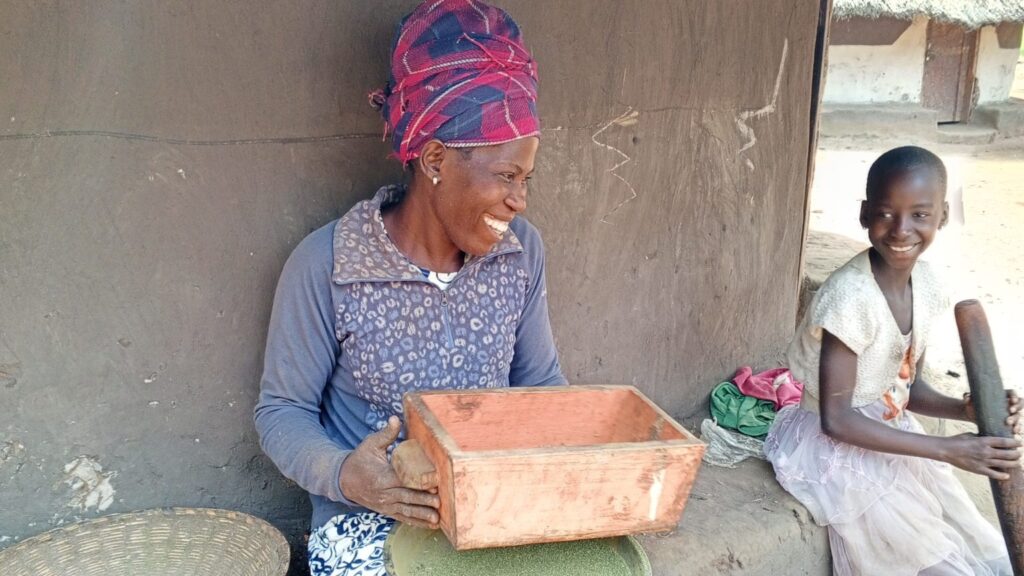
Caption under image:
A manually operated briquette press that requires physical effort, contributing to women’s exclusion from machine operation and technical production roles.
Men also recognized the same challenge and explained that women’s exclusion from technical roles is not due to lack of interest or ability, but it’s because of the design and operation of the equipment.
One male supervisor noted:
“Most women here cannot manage the machine for long hours, so we usually assign them other tasks.”