Agriculture and Women's Economic Empowerment
1,000 Women’s Gardens for Health and Nutrition (1000WG)
Enabling women’s organic gardens as a gateway to food-secure and climate-resilient families in the Rwenzori Region and throughout rural Uganda.
Impact Pillars
About 1,000 Women’s Gardens
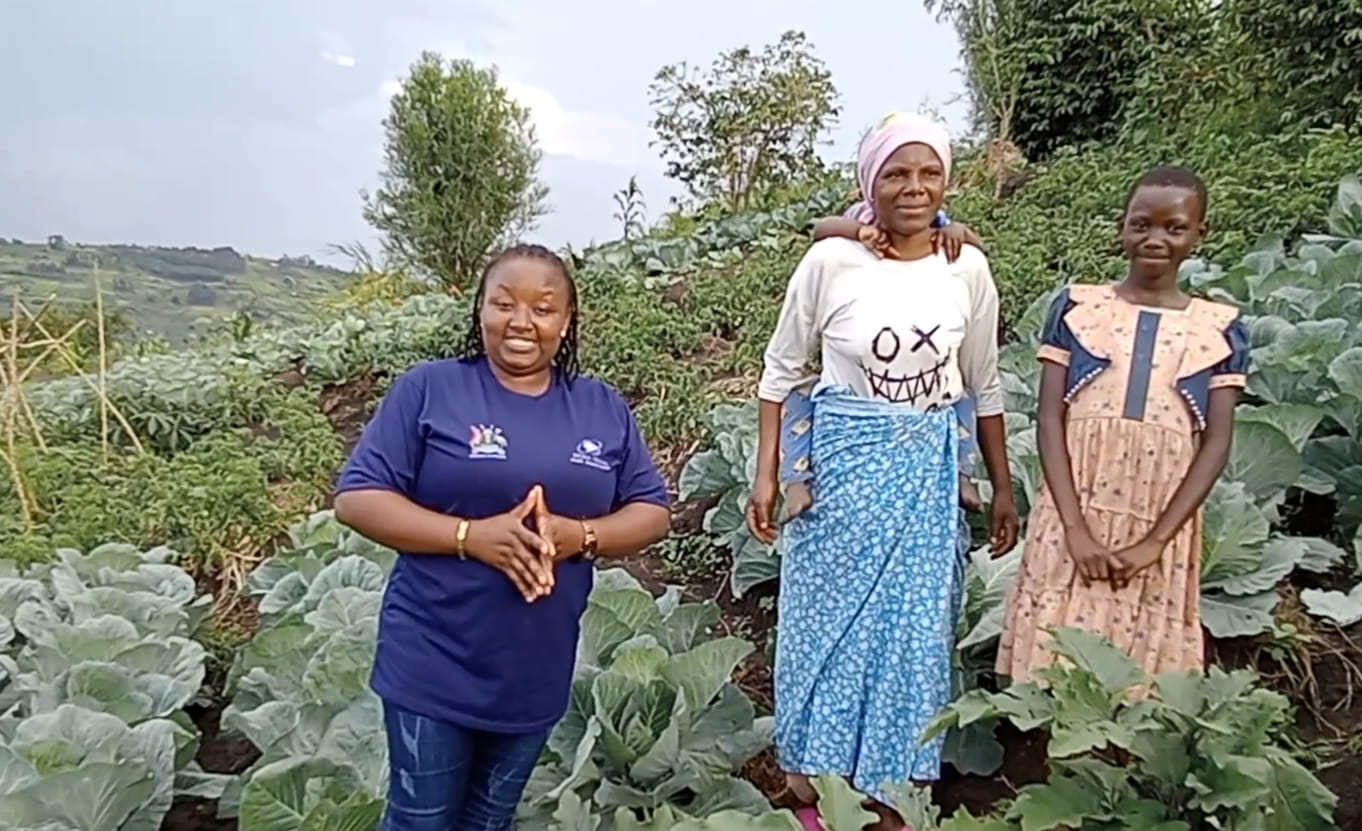
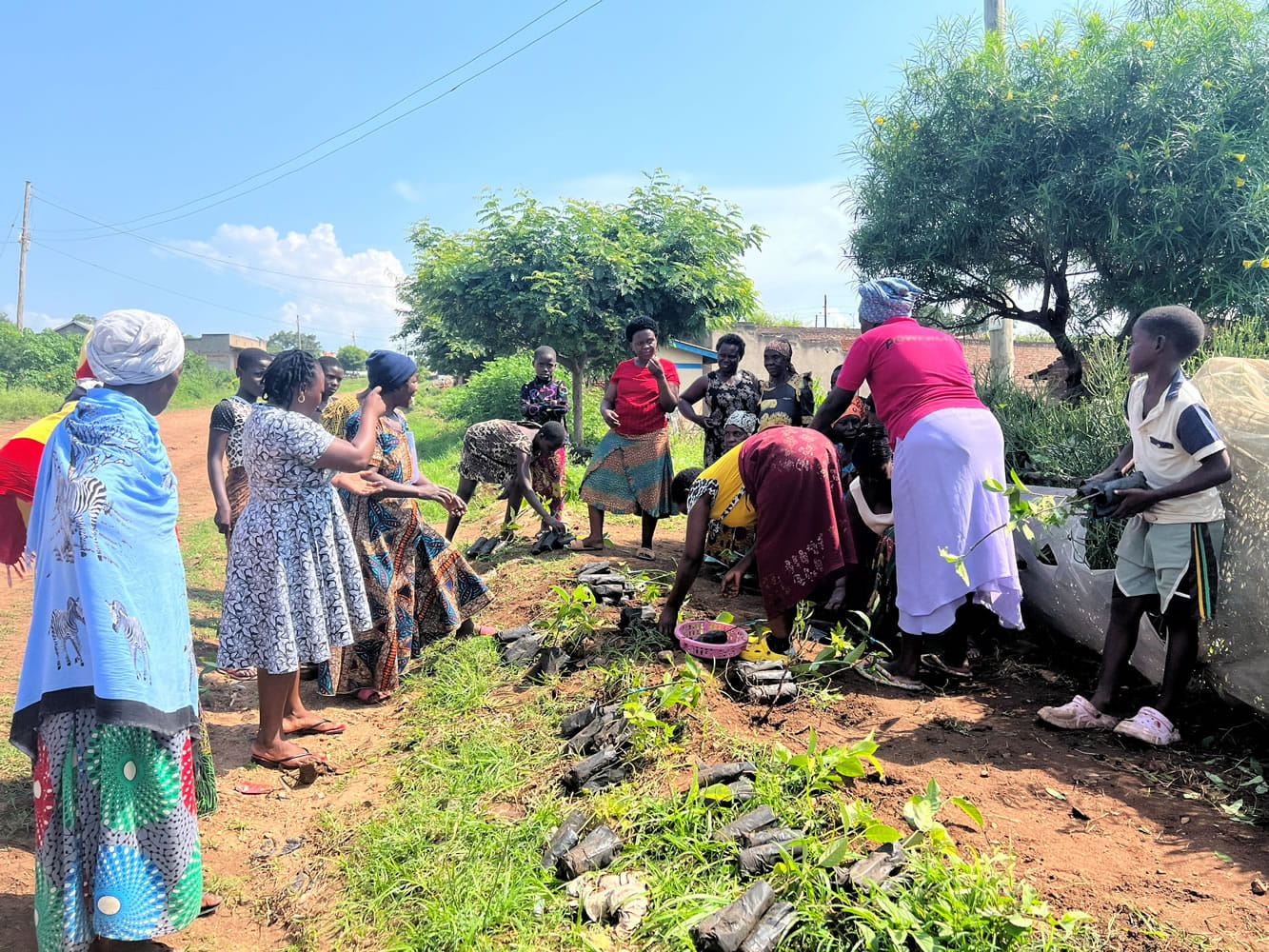
Video: Creating opportunities for women to grow food, generate income and support their families and communities, even for landless women through community gardening.
Food Security and Nutrition
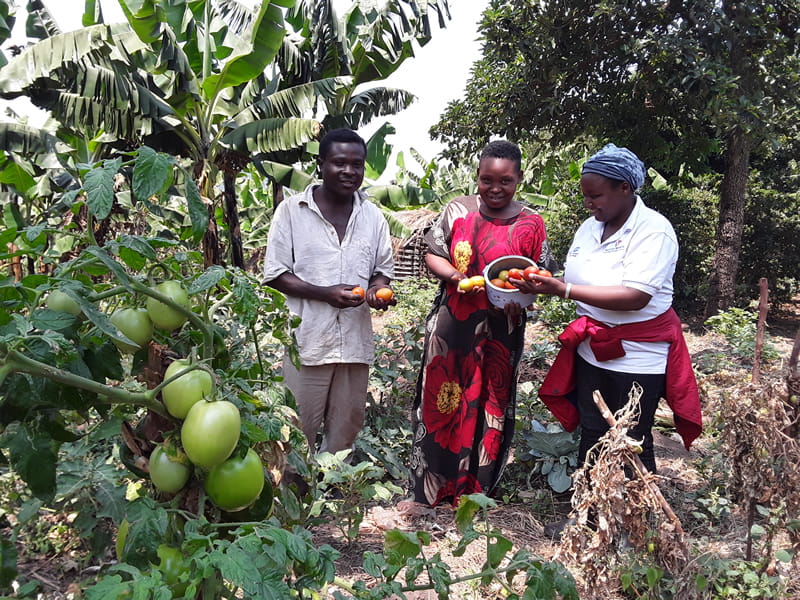
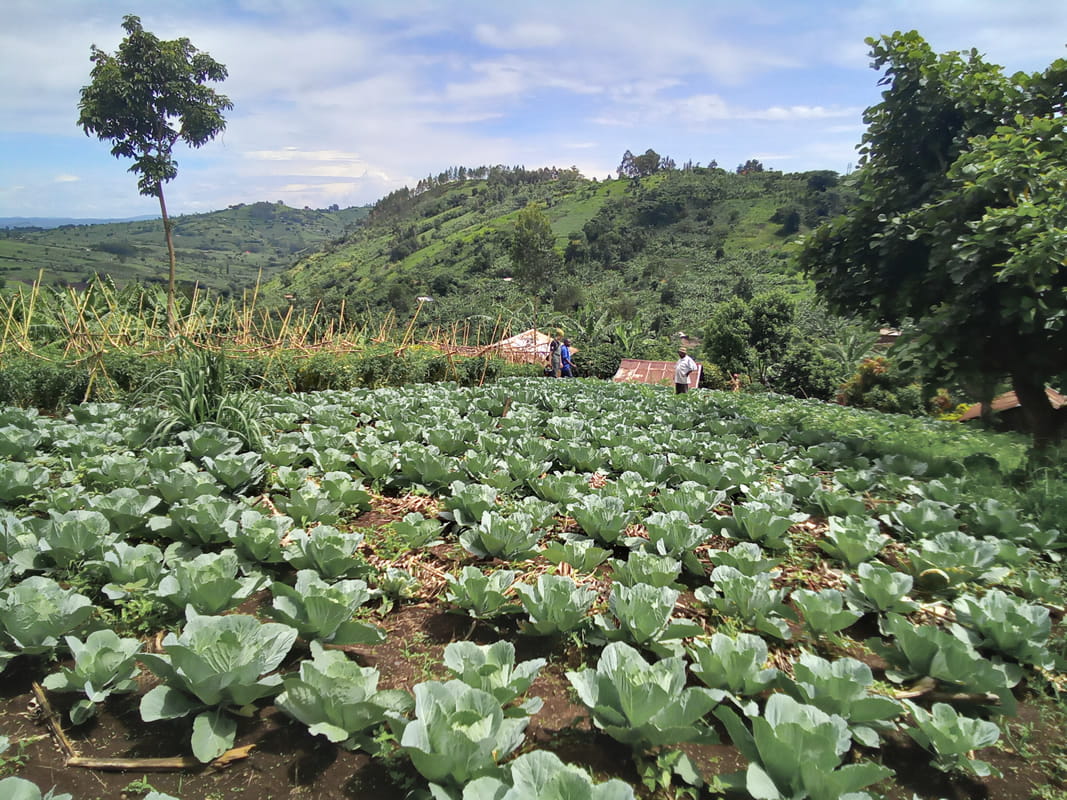
Enhanced food security and nutrition through crop diversity, year-round harvests and market sales
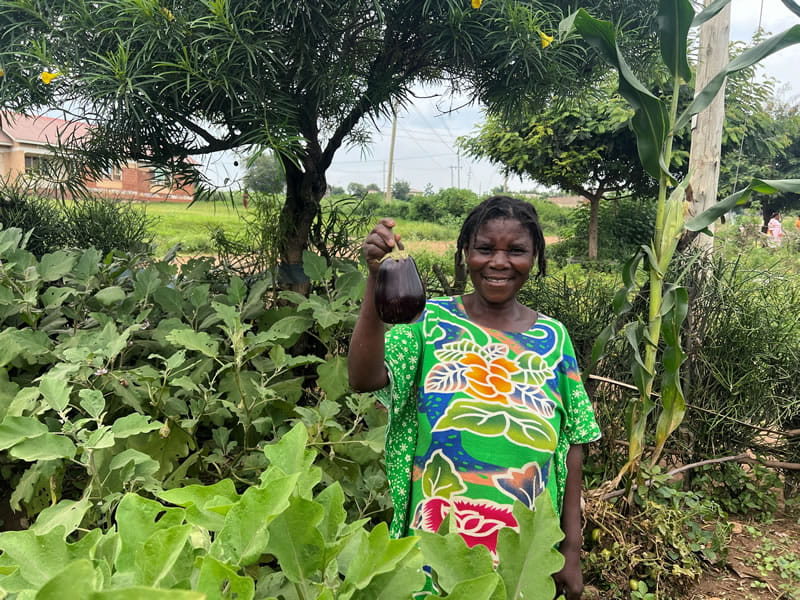
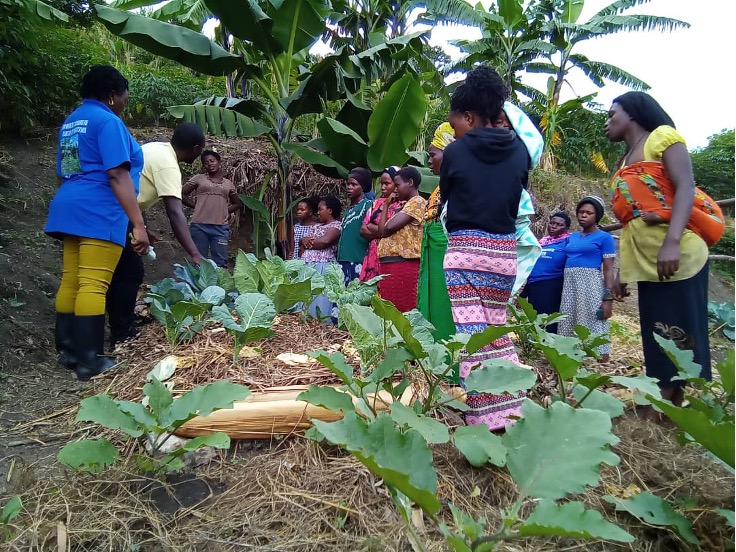
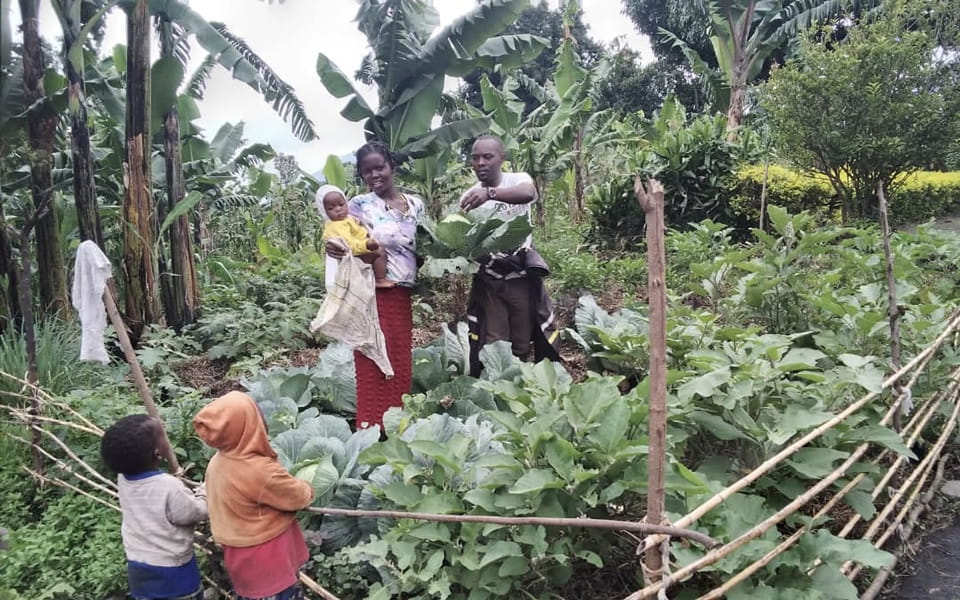
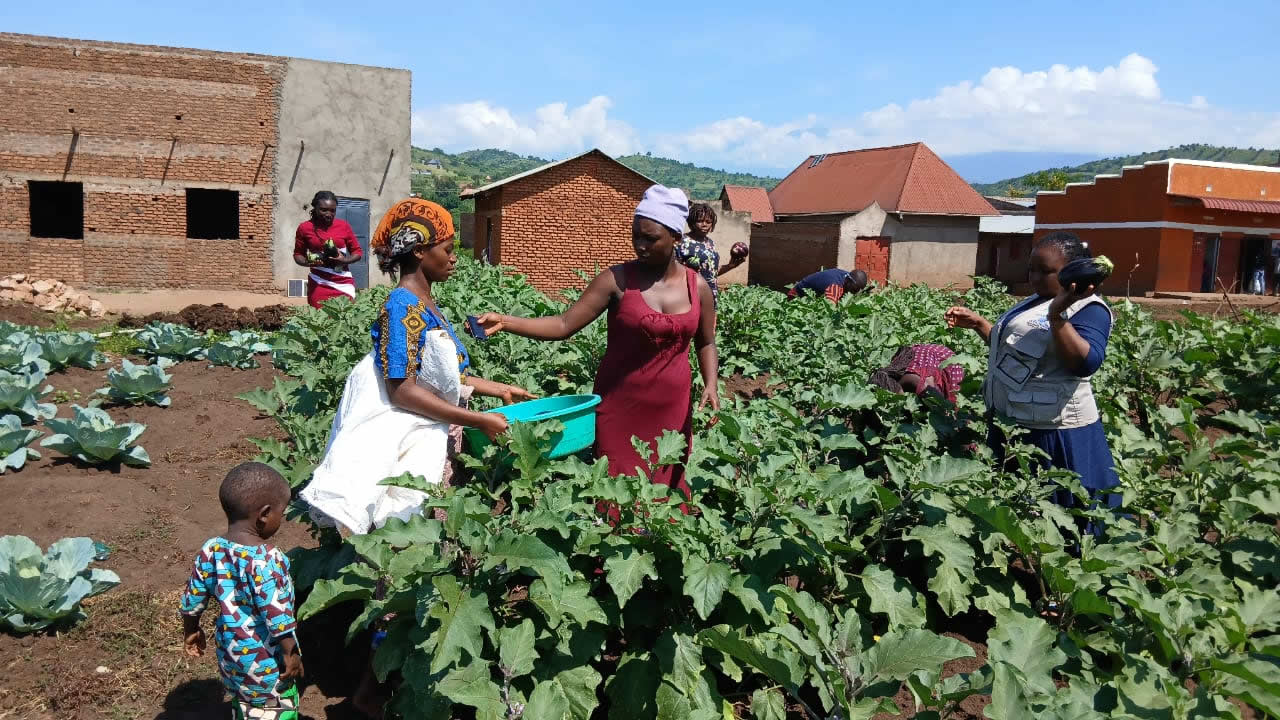
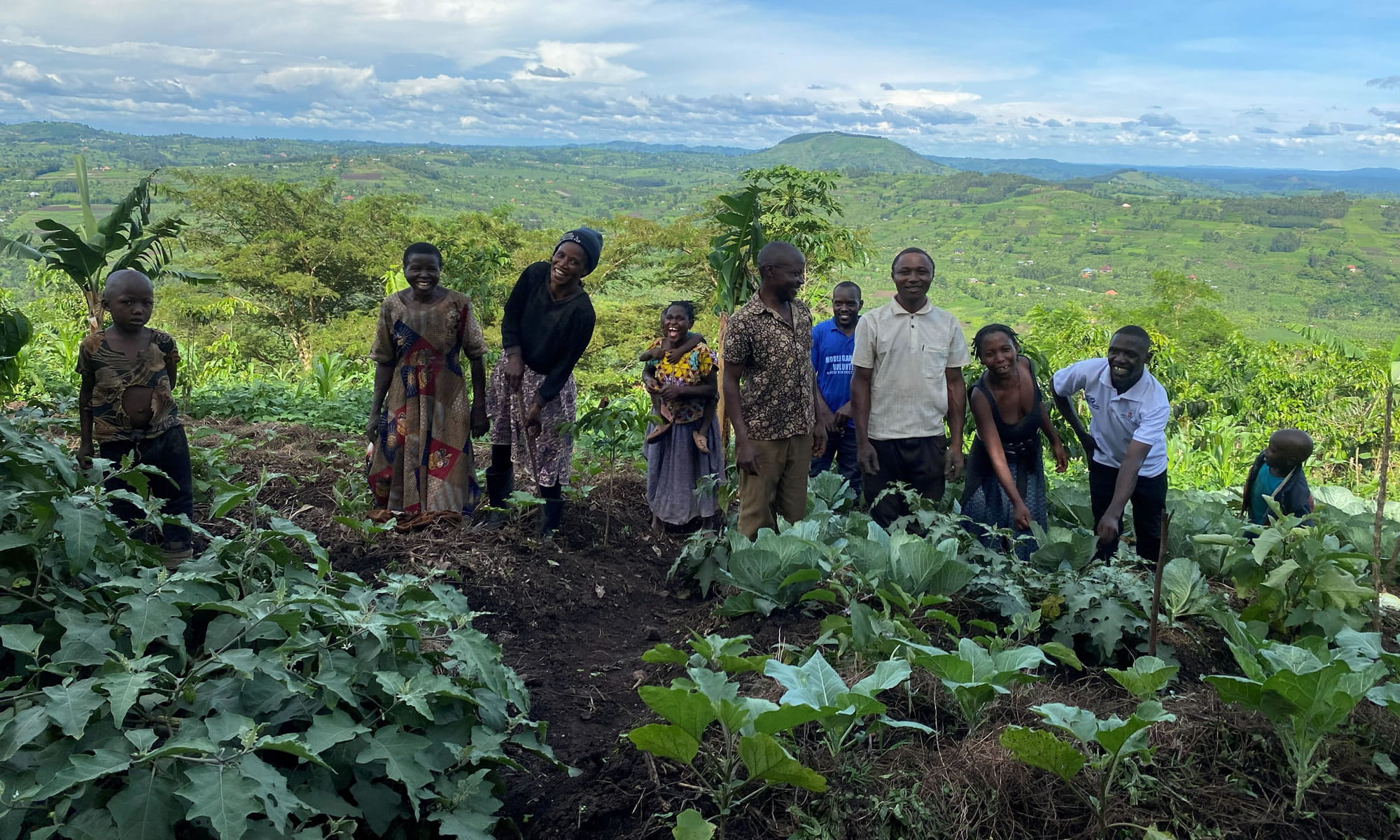
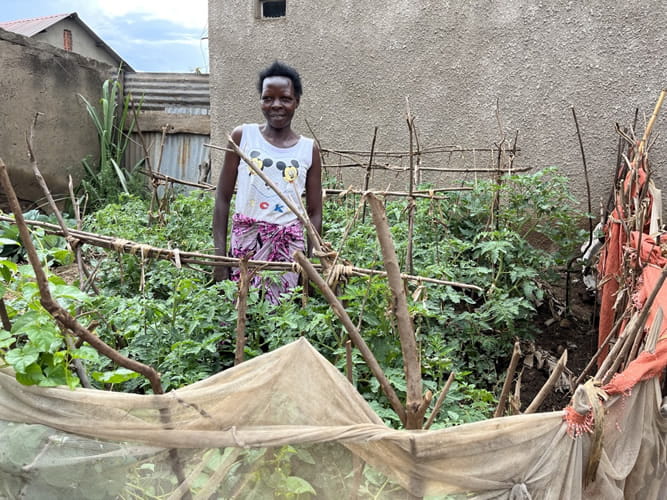
Women managed vegetable gardens empower women to feed their families, earn income, reduce social isolation and, over time, achieve greater self-reliance and community respect.
“It has also reduced the level and rate of domestic violence because if the man doesn’t have money to buy, say, tomatoes, when you request for that money, he can yell at you. But now, since we don’t over rely on them, there is a peaceful environment at home. Love is at its best nowadays in our families.”
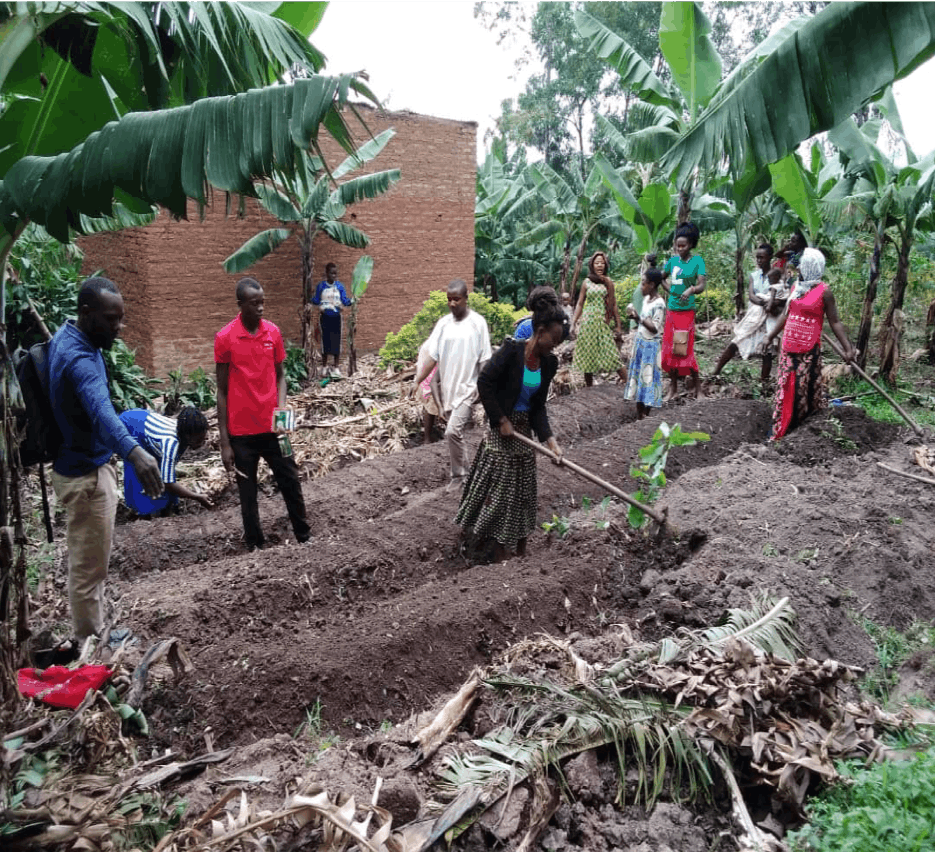
Each rainy season (twice yearly), 1000WG staff work to establish 75 new women-managed gardens with vulnerable households, especially grandmothers caring for young children, young mothers and mothers of orphaned children.
Started in early 2021, five years later, there are over 700 organic home gardens and 44 community gardens in five sub-counties and two town centers of Kasese District
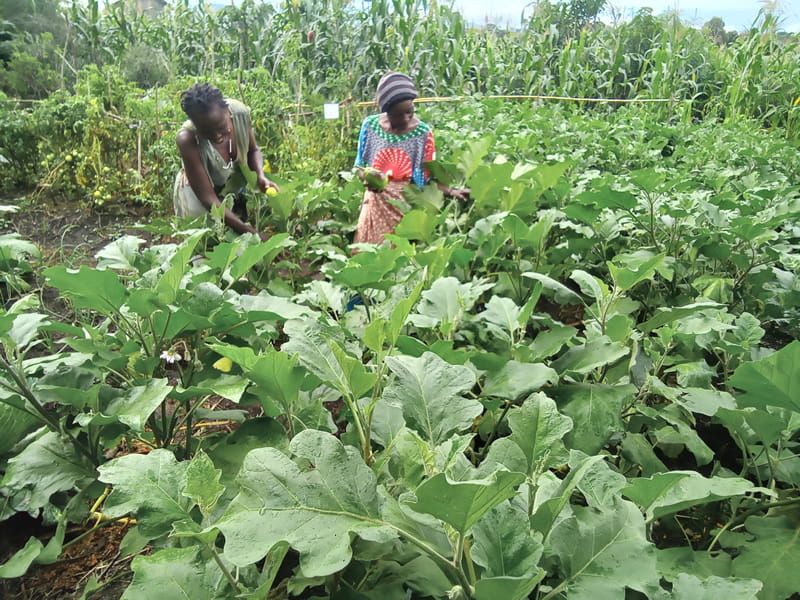
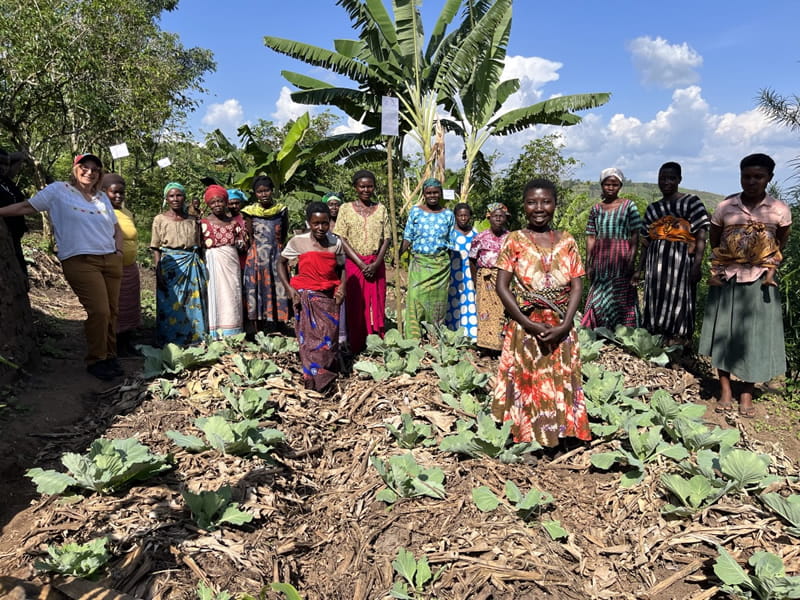
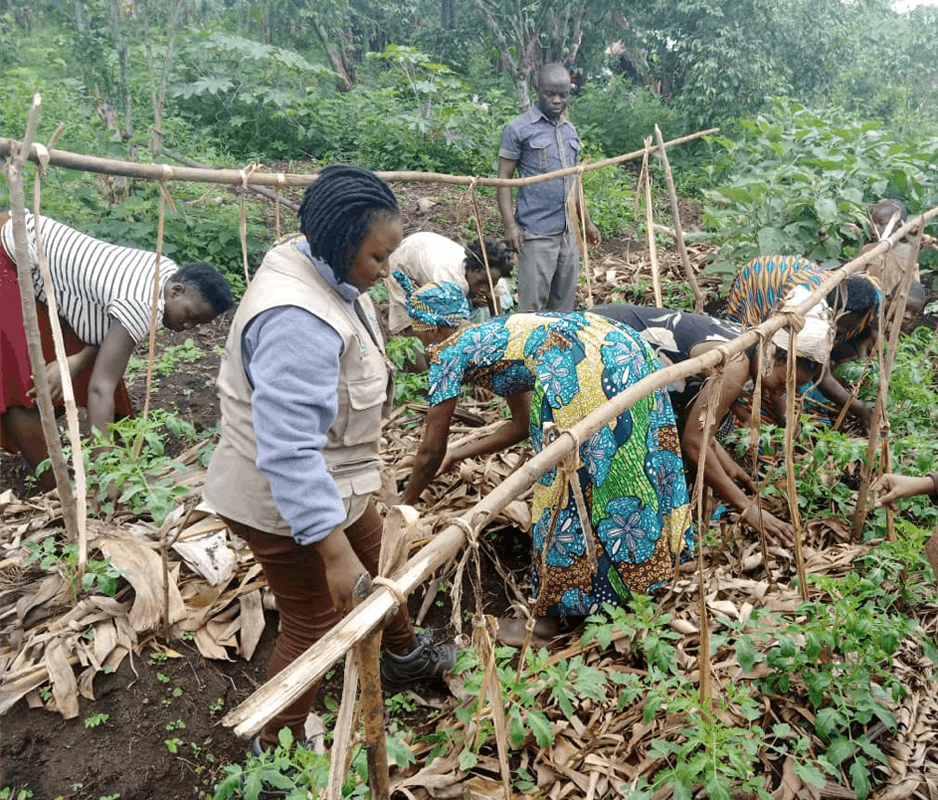
Expanding Organic Gardening Through Communities
1000WG staff have observed that as many or more ‘adopter gardeners’ are practicing some form of organic vegetable gardening as well, having learned the methods from their relatives and neighbors.
The goal is that by the end of 2027, at least 40% of households in the 66 villages where 1000WG works will be practicing organic gardening, together making a large and sustained improvement in the food security, nutrition and health for these communities.
From Gardens to Value-Added Products
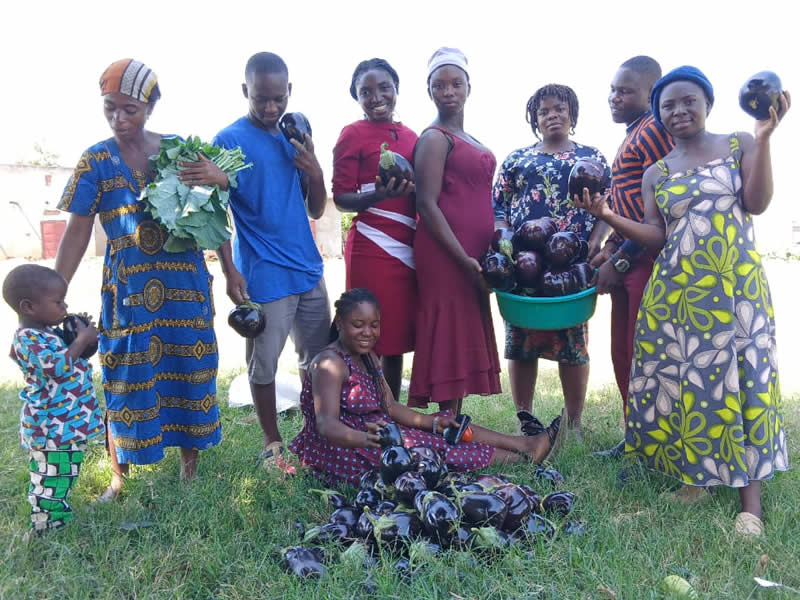
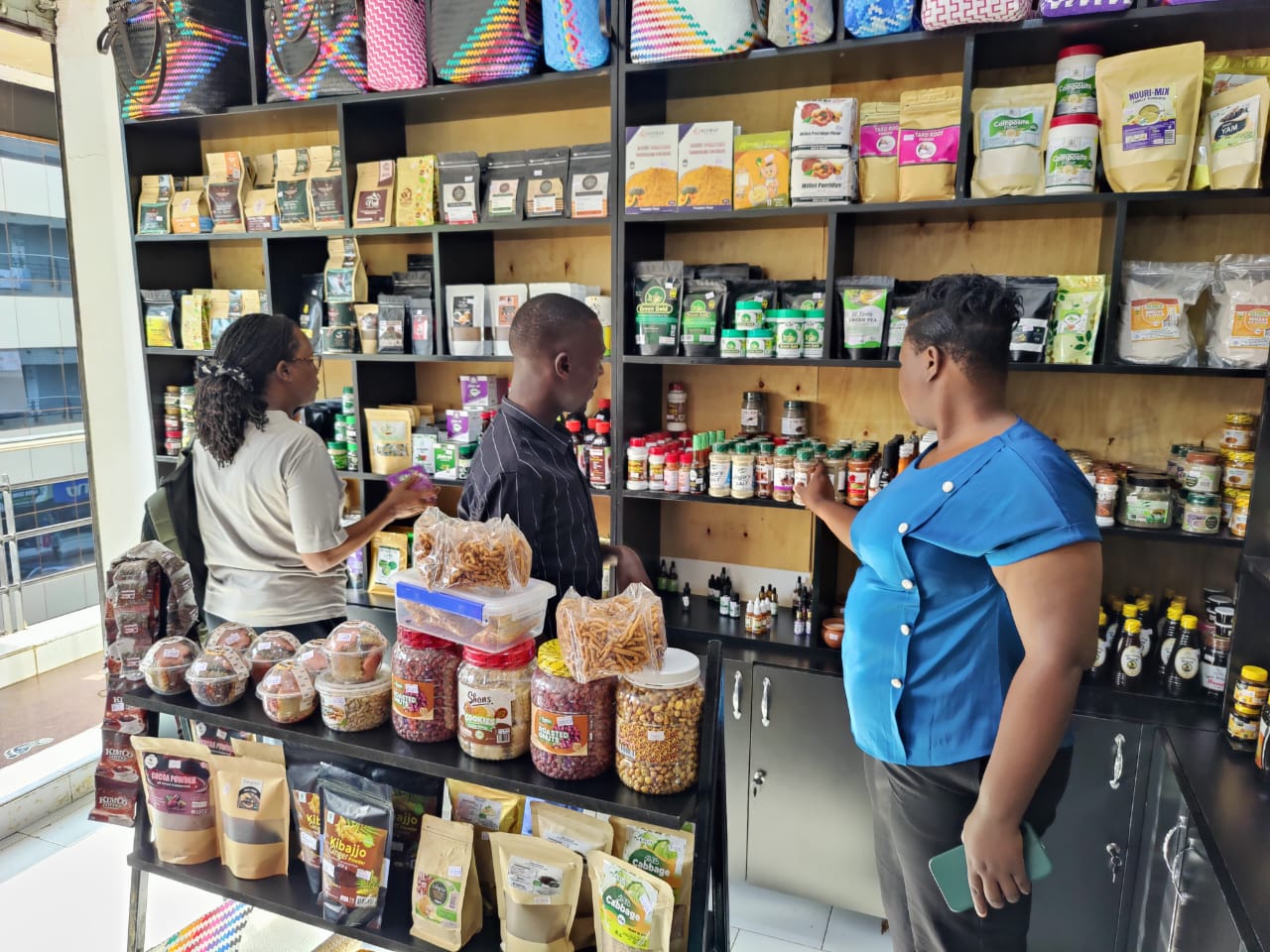
In 2026 and 2027, 1,000 Women’s Gardens is beginning a new phase to develop value-added products from vegetables grown widely by participating women, including eggplant, African eggplant, amaranth (dodo) and other leafy vegetables. Cabbage and tomato will be included in a second phase.
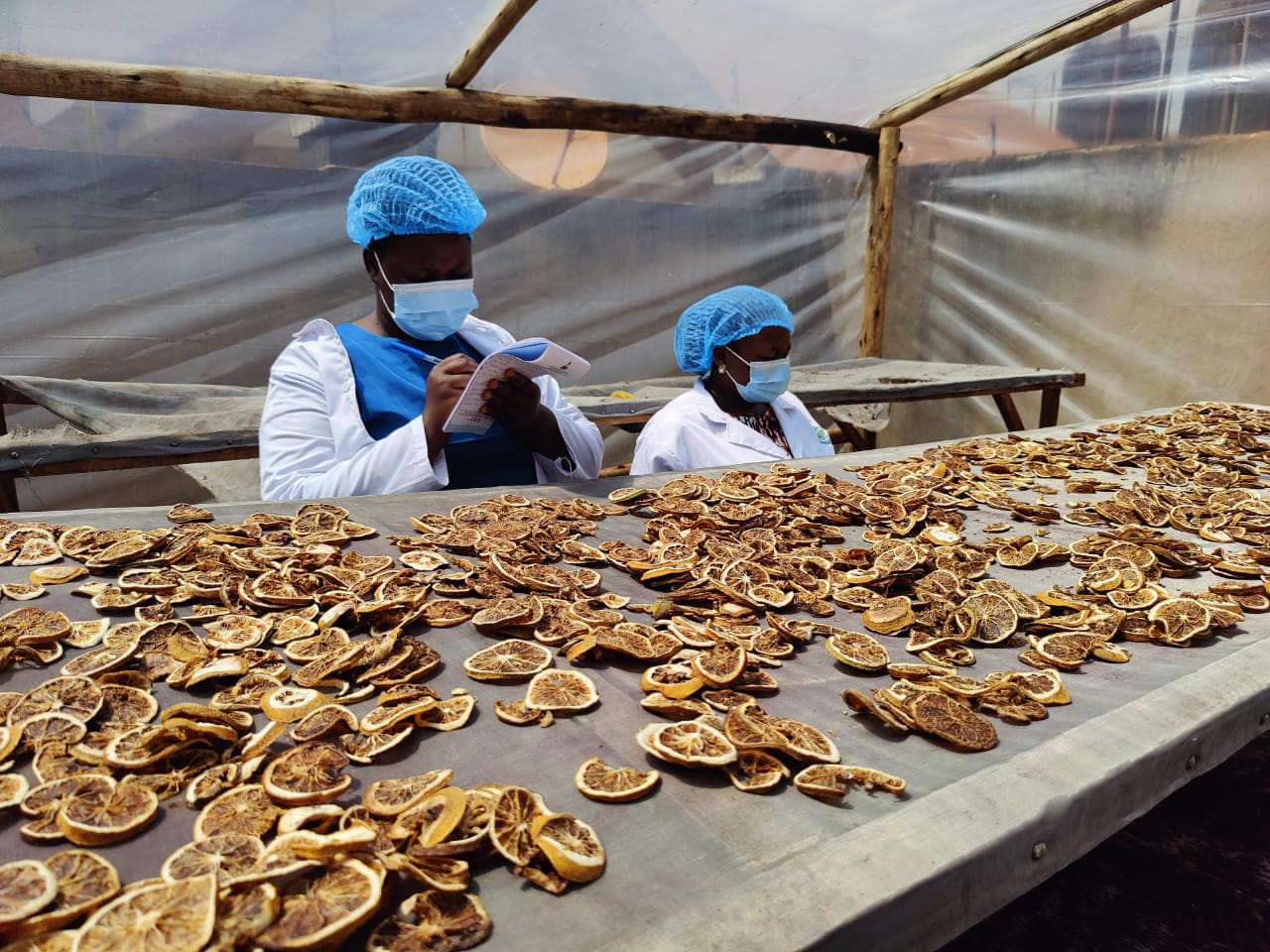
By processing surplus vegetables, the program aims to create employment and income opportunities while reducing the risk of market saturation and low prices for perishable fresh produce. Solar drying will be the initial technology, with technical and marketing support from the Community Women Enterprise Network Uganda (CWEN).
Climate Resilience
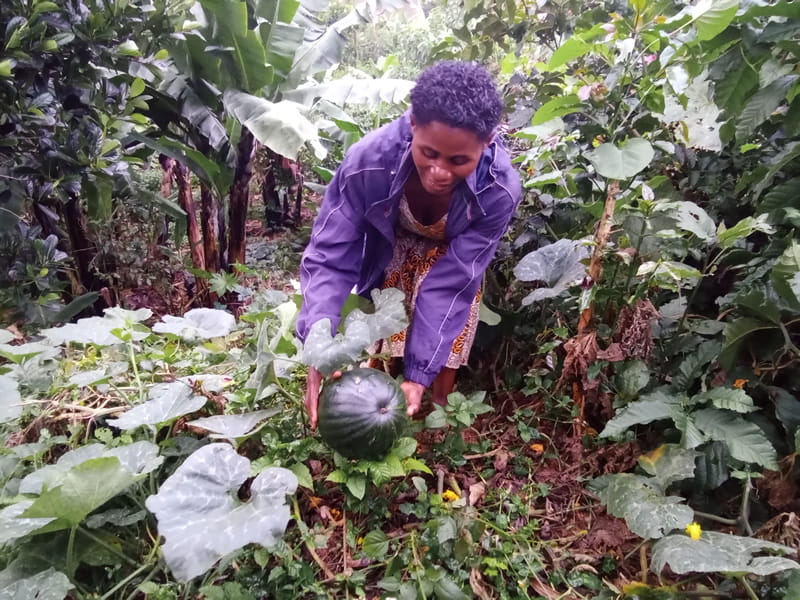
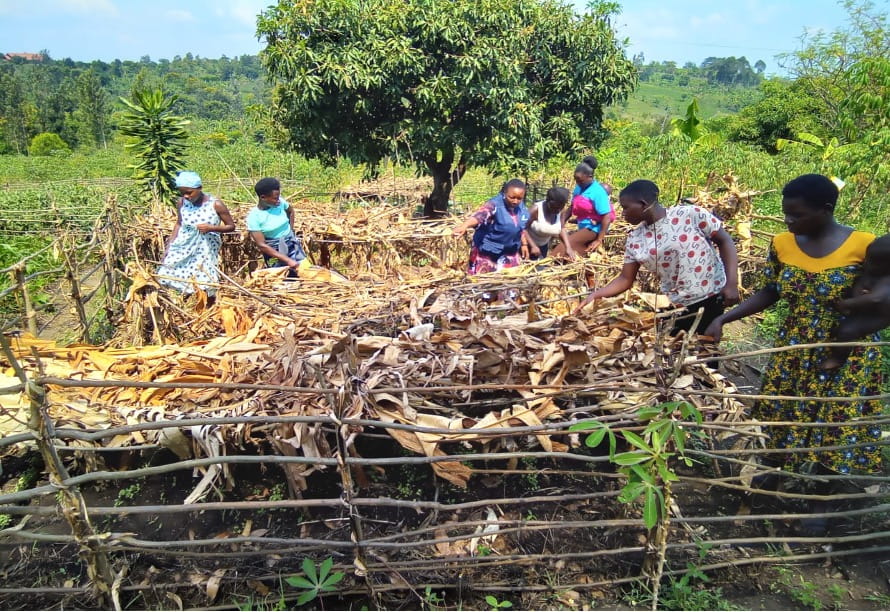
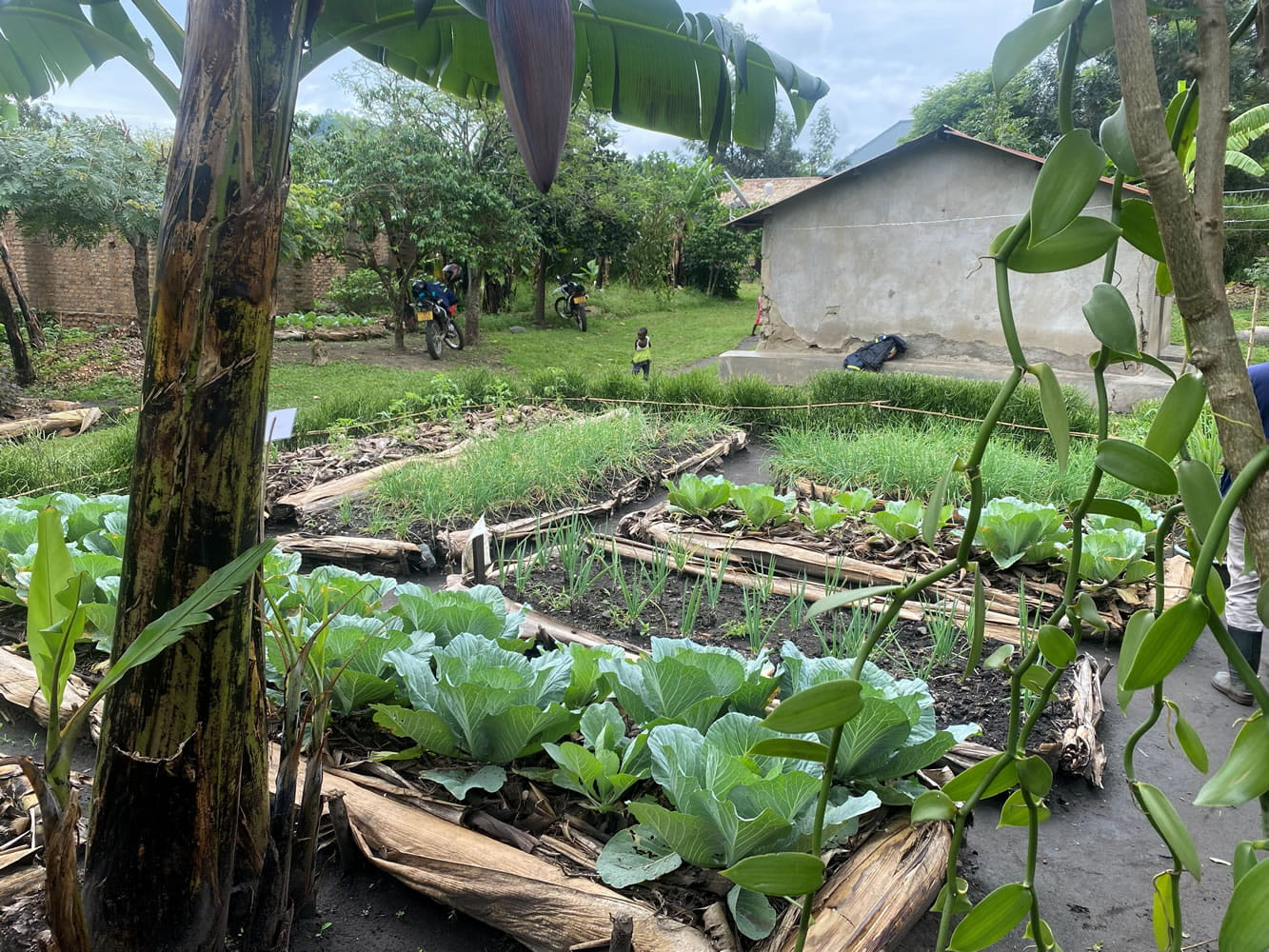
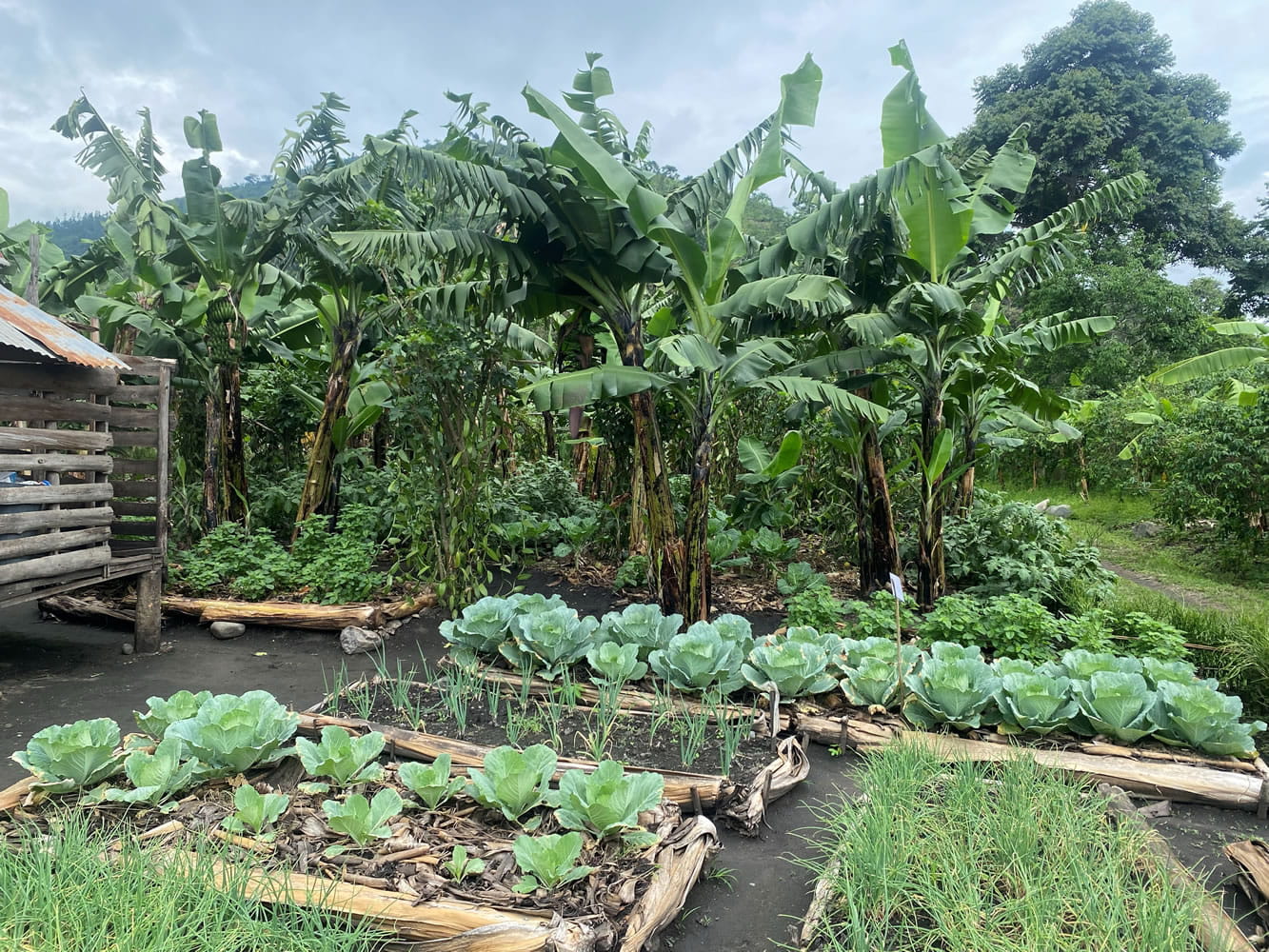
Building climate resilience through deep mulching, composting, seed saving, fruit tree planting and water harvesting
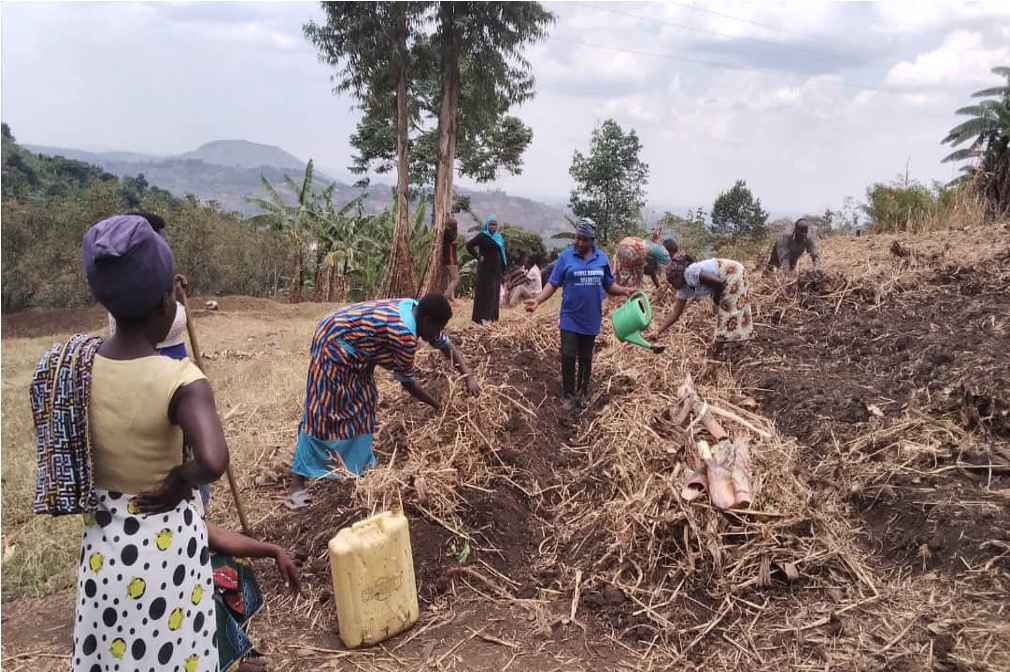
Organic soil amendments, water conservation, and botanical pest management build resilience to the increasing climate-related impacts on food production and consumption in Kasese District, including flooding and landslides, long dry seasons and excessive heat.
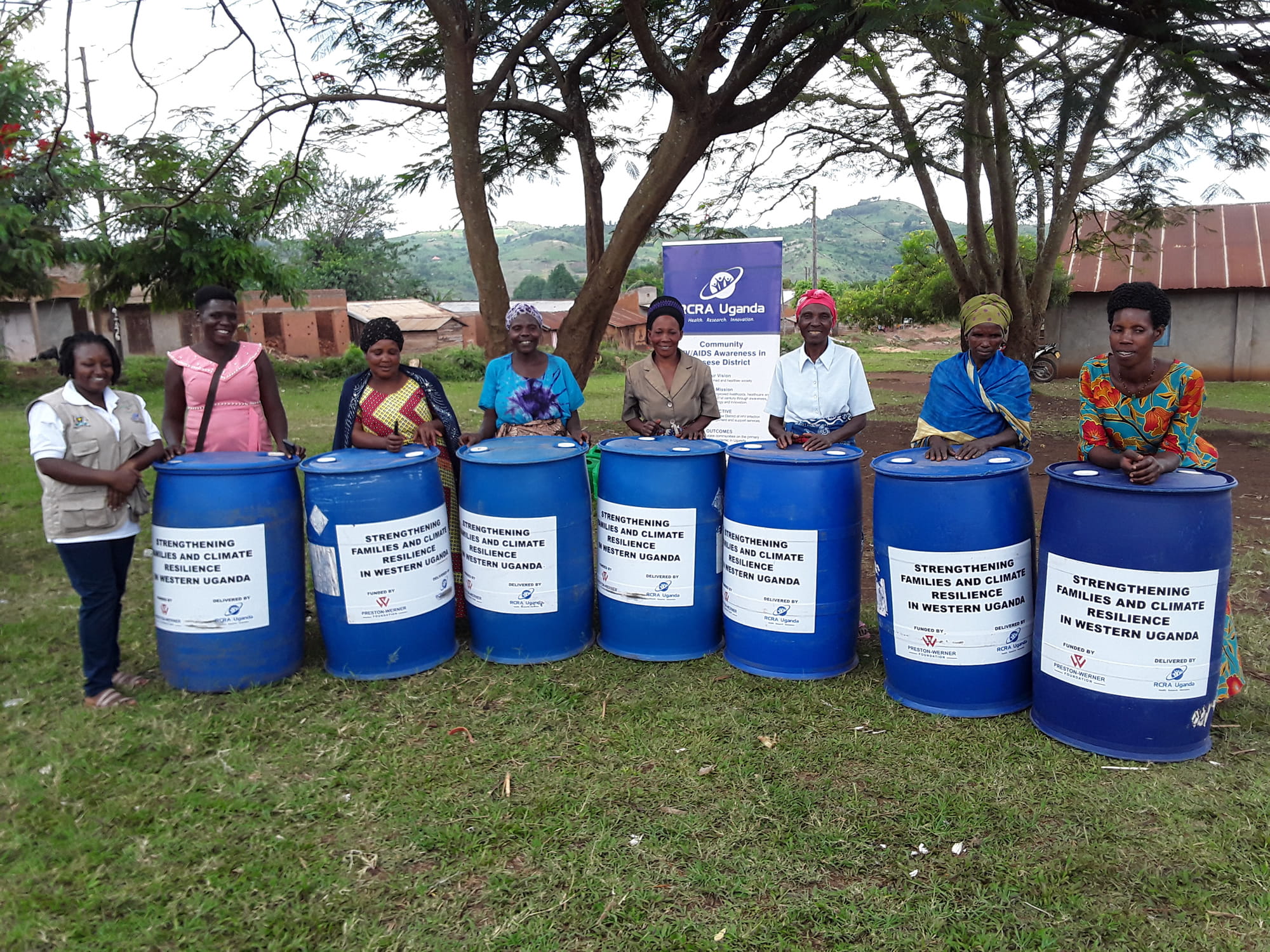
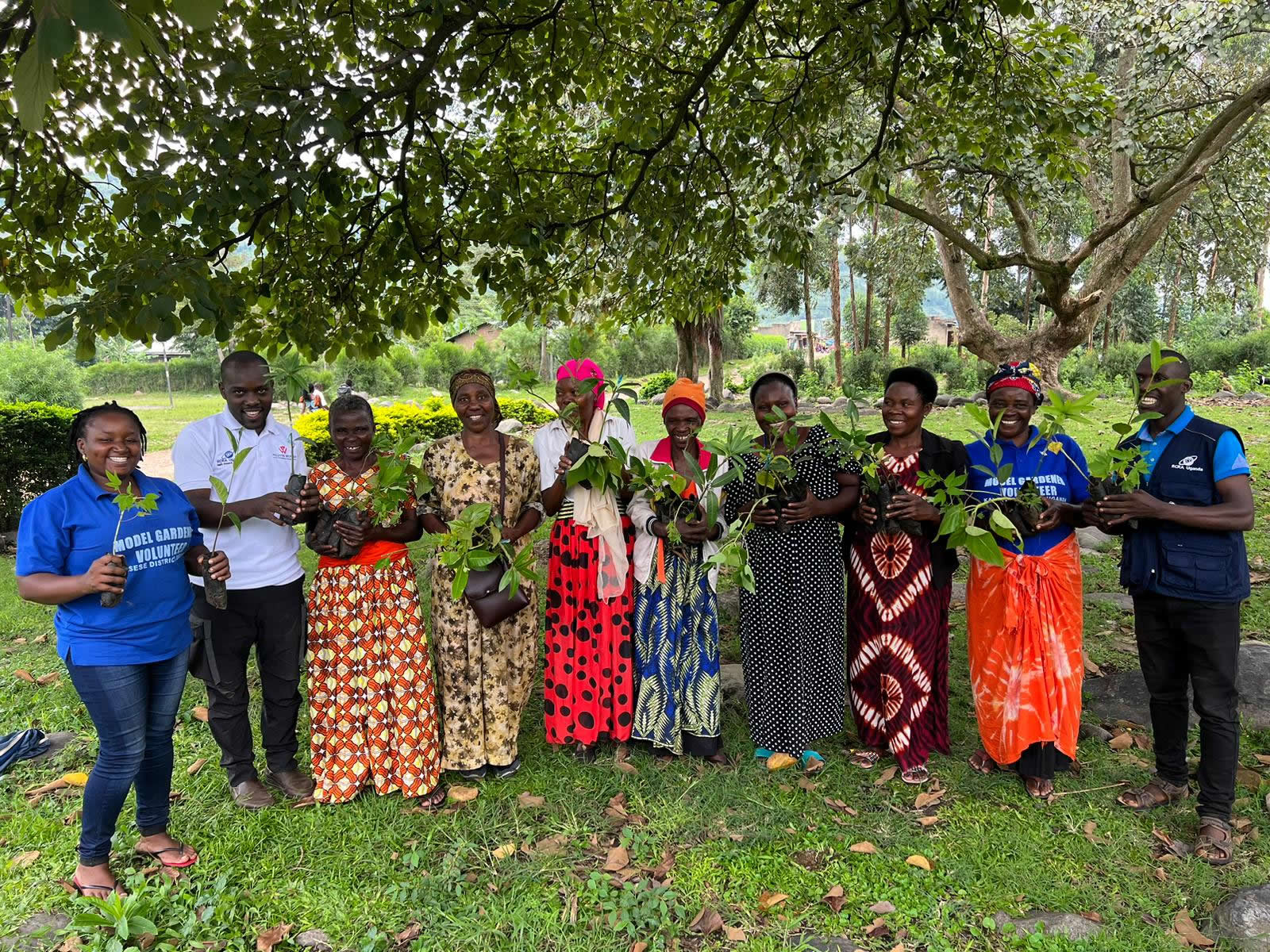
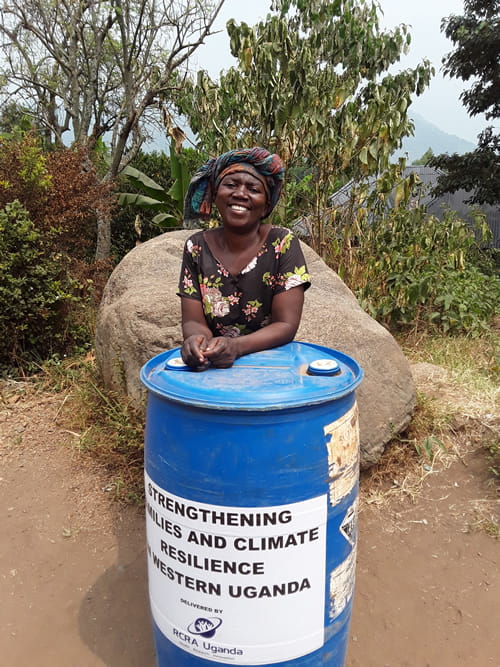
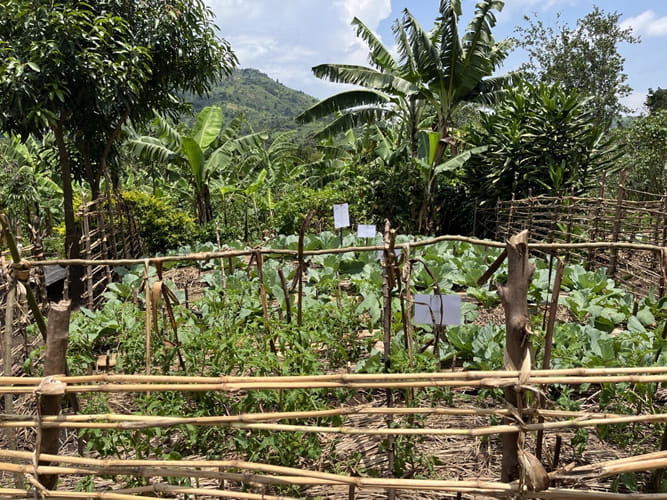
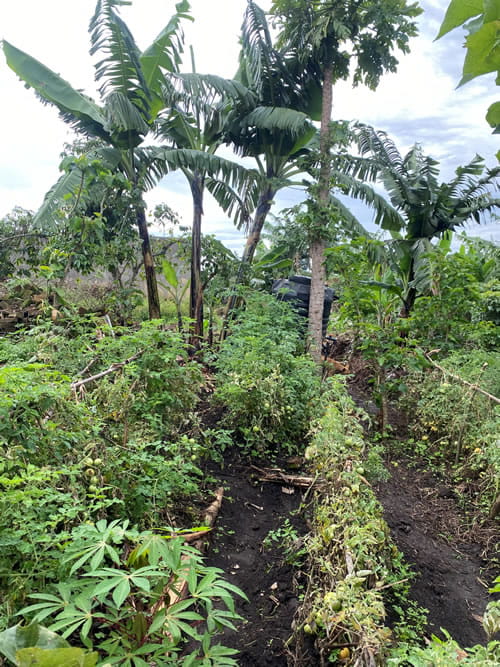
Diverse fruit trees intercropped in gardens further reduce climate impacts while adding nutritional and income value. For households facing the highest levels of water insecurity, 1000WG supports water conservation through creek-water storage and rainwater harvesting in tanks.
Healthy Soils
Deep mulching, composting and botanical pest management.
Diverse Gardens
Fruit trees and crop diversity strengthen nutrition and resilience.
Water Security
Creek-water storage and rainwater harvesting help households facing water insecurity.
Women's Leadership
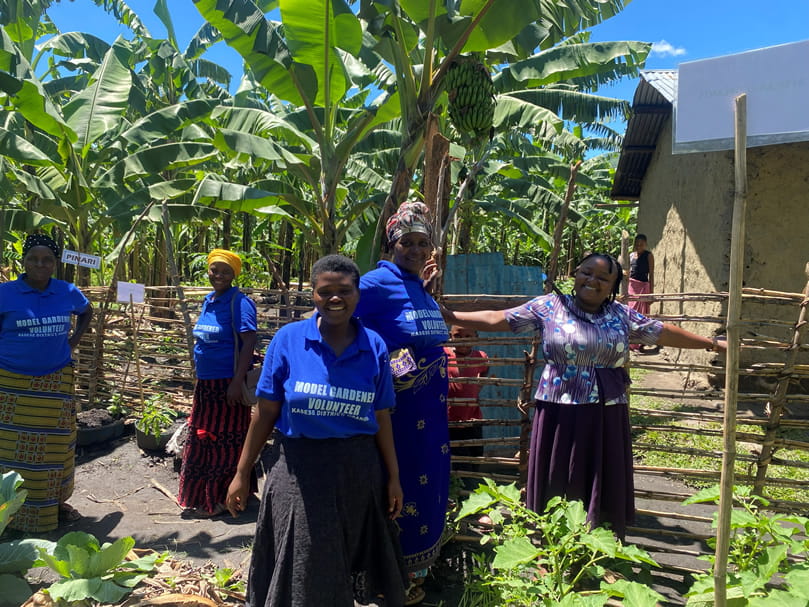
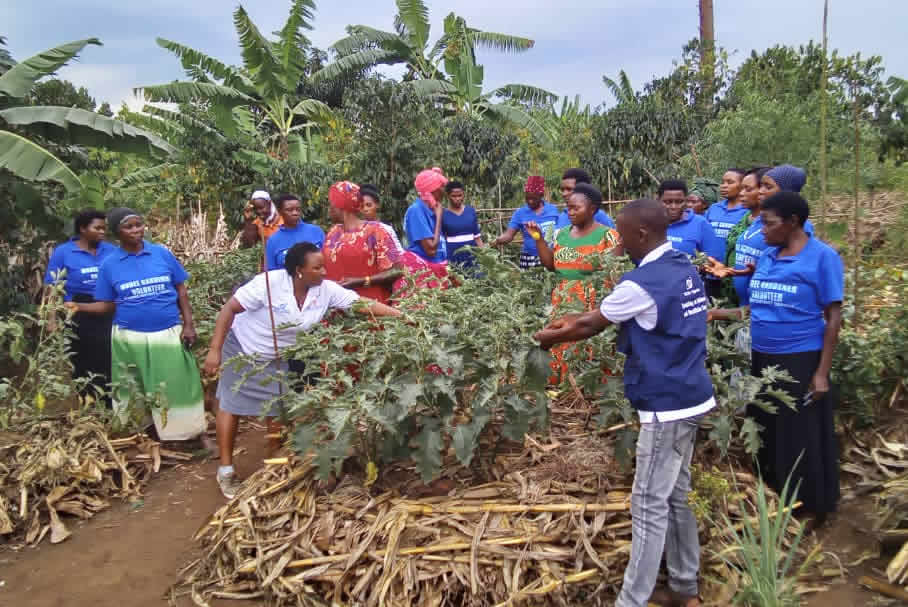
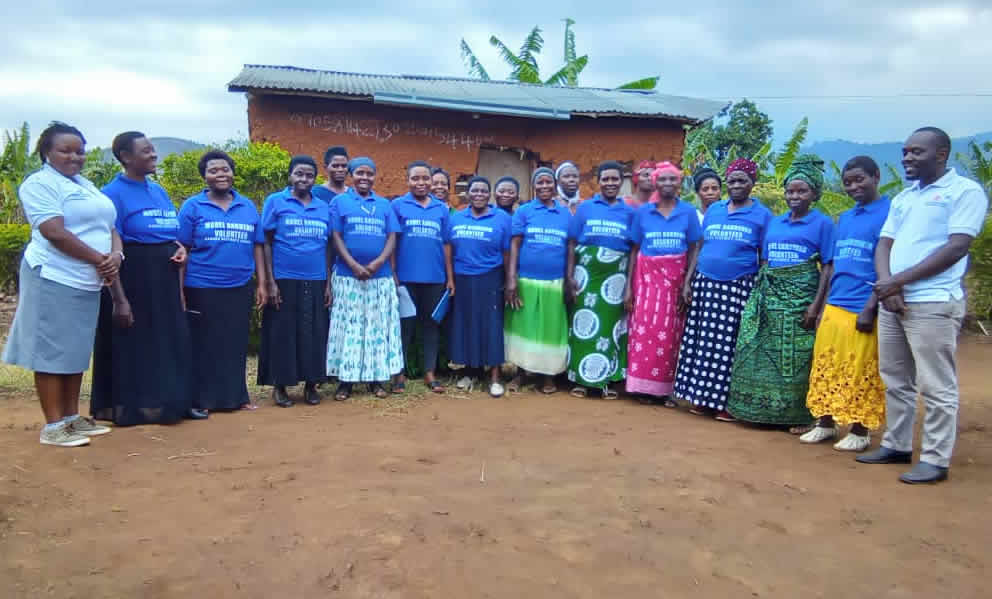
Women-led gardens and Model Gardener Volunteers sustain and grow the program.
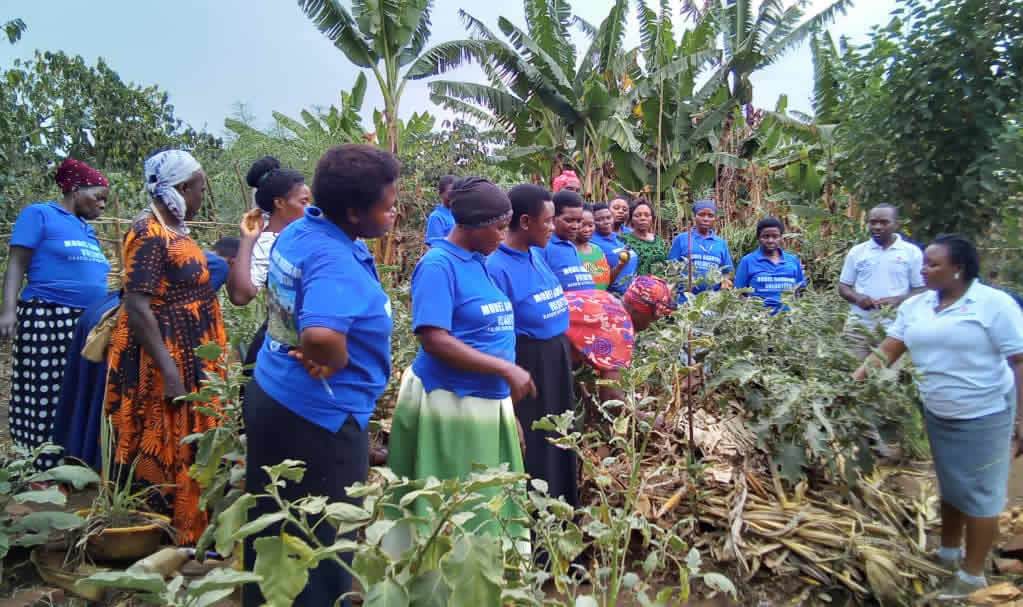
The MGV program enables local women to become leaders in the monitoring and sustainability of earlier phases of 1000WGs. To date, 25 MGVs are responsible for an average of 25 women gardeners in or near to their villages.
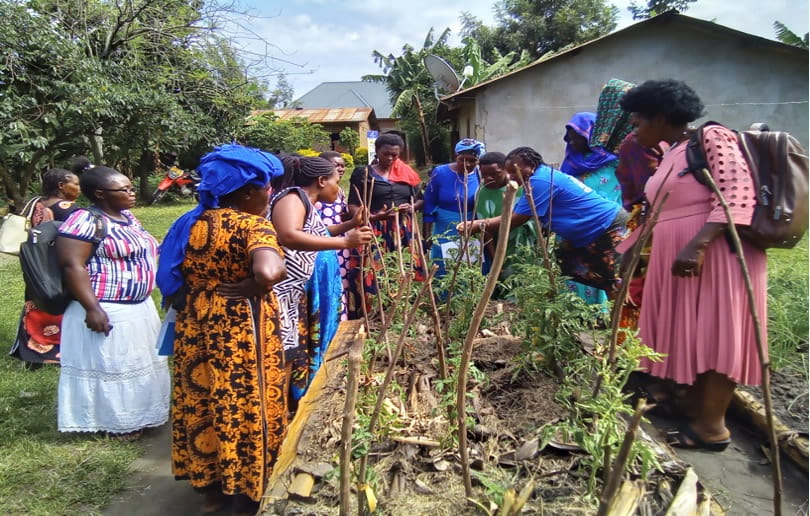
MGVs receive regular training in priority topics, such as formulation of botanical pesticides, organic composting, value addition and marketing strategies. They then pass on the knowledge and techniques to the greater community.
Income Generation
Creating income opportunities from organic gardens and agri-business, including for landless women.
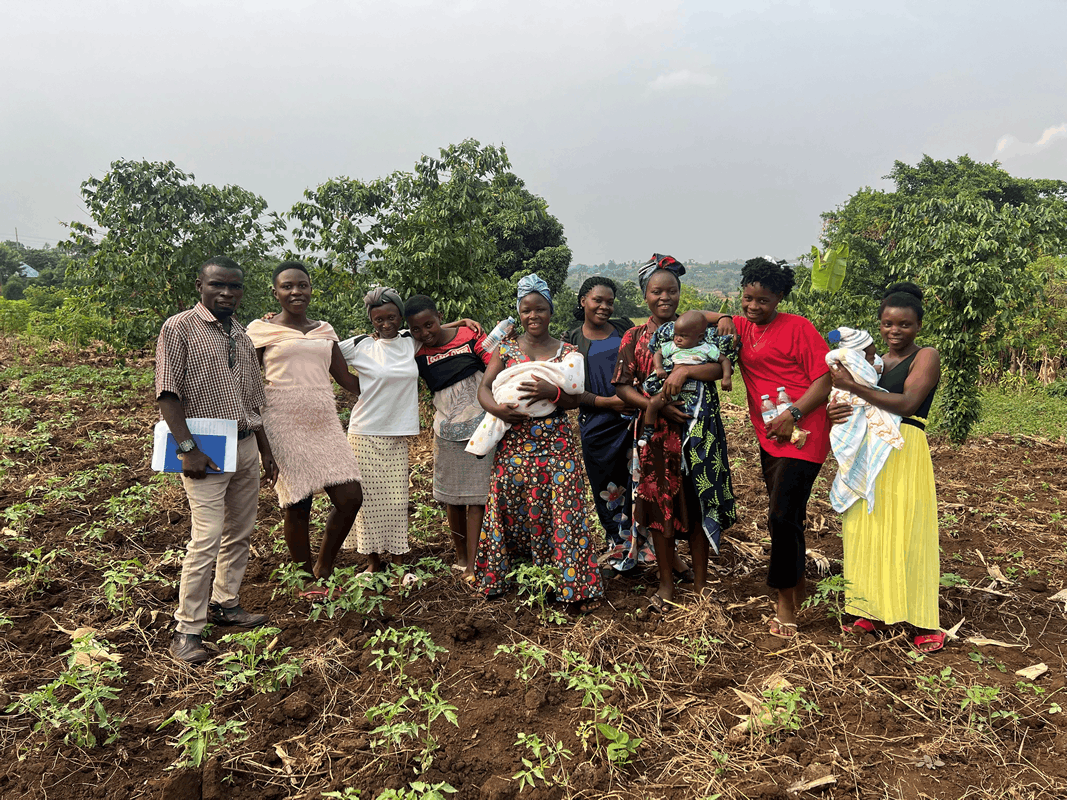
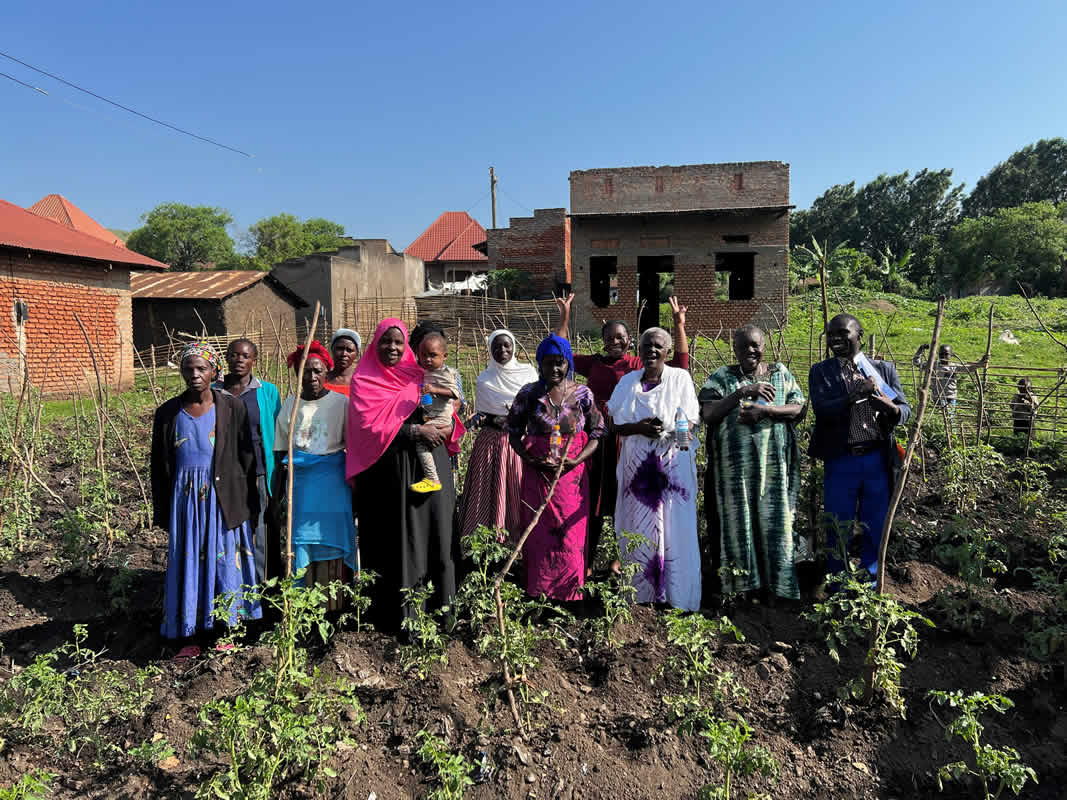
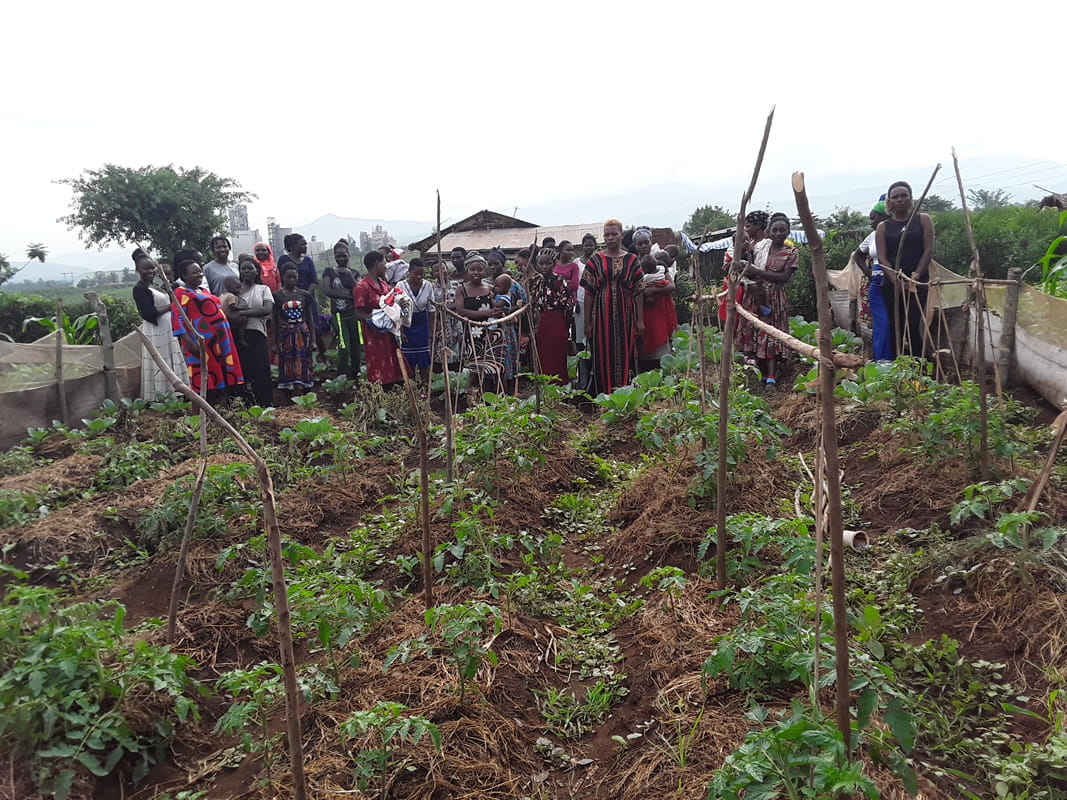
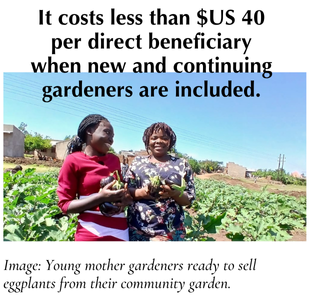
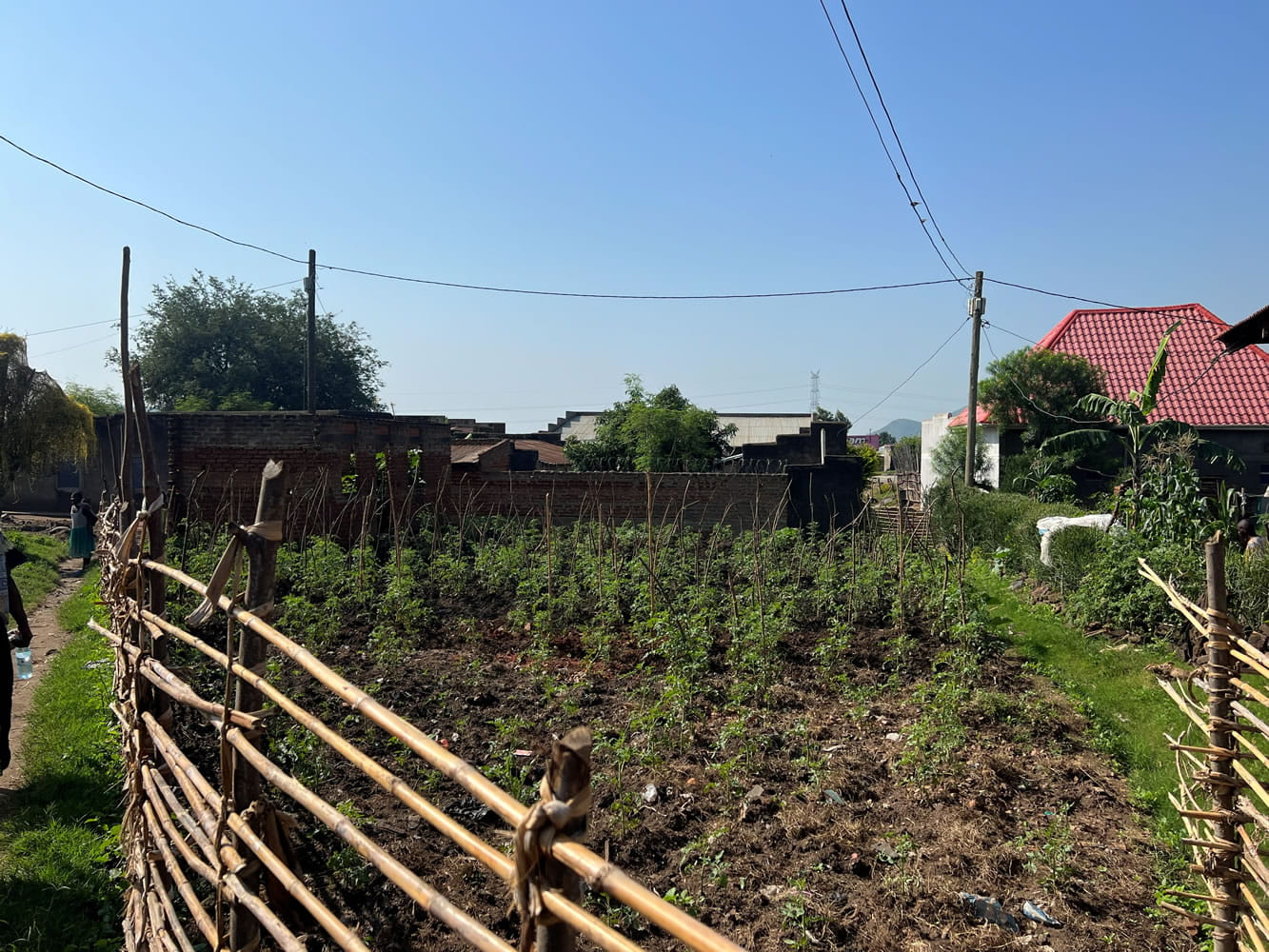
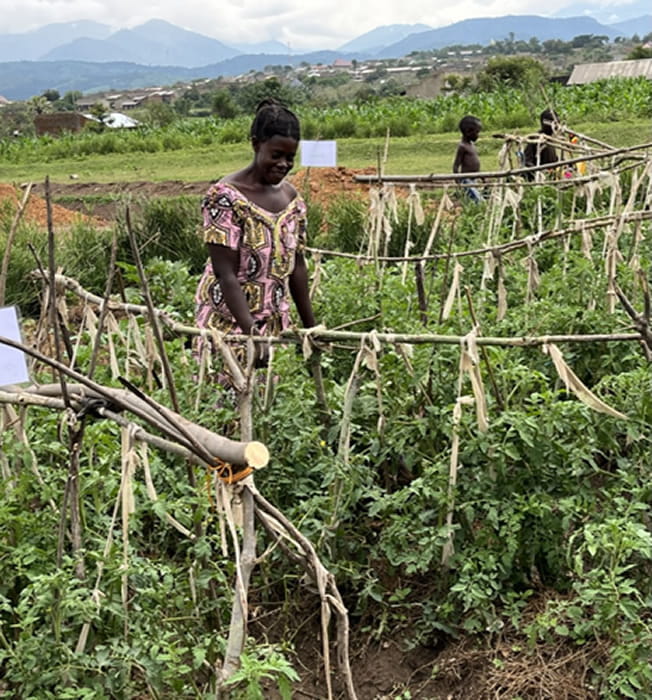
All 1000 WG participants have home or kitchen gardens and 70% harvest surplus vegetables for sale several months of the year. In addition, all 44 Community Gardens generate income from vegetable sales. A typical group of 6-10 members either rent a plot of land or one member offers land on her farm for group gardening.
Women typically spend income from garden sales on food, health expenses, school fees, garden inputs, and personal needs. Community Gardens in two urban sub-counties allow landless women to participate in vegetable gardening. Community Gardens offer the added benefit of socialization and reduced isolation, especially among young mothers, where women learn, share and overcome challenges together.
Community Testimonials
It has also reduced the level and rate of domestic violence because if the man doesn’t have money to buy, say, tomatoes, when you request for that money, he can yell at you. But now, since we don’t over rely on them, there is a peaceful environment at home. Love is at its best nowadays in our families.
The community garden is helping me a lot with money for medical care. This is because since I don’t have a source of income, I use the money from the vegetable sales to purchase medicine for myself. My four kids are now healthy and receive proper medical care thanks to the sales from the community garden. I am also not afraid of fee problems for my children at school because I always have money to pay
It has helped us to create healthy relationships amongst women in this group. We can now share our problems freely and then advise each other on what to do. We have proved that everyone is capable of doing something productive for family and community development.
Program Impact
But our impact is more than numbers.
Organic Gardeners
Community Gardens
MGVs
Villages
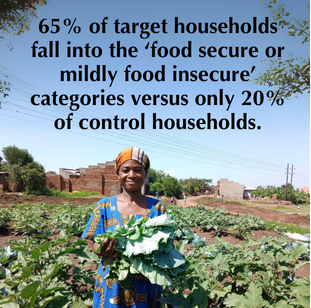
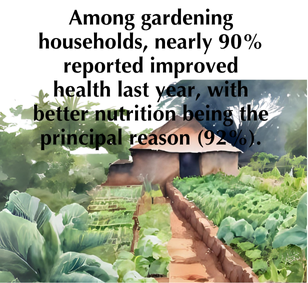
Between 2023 and 2025, the Rwenzori Center for Research and Advocacy and the University of California, Berkeley conducted a randomized control study to assess the economic and social impacts of the 1,000 Women’s Gardens program on women gardeners and their families.
Support a Woman. Grow a Garden. Strengthen a Family
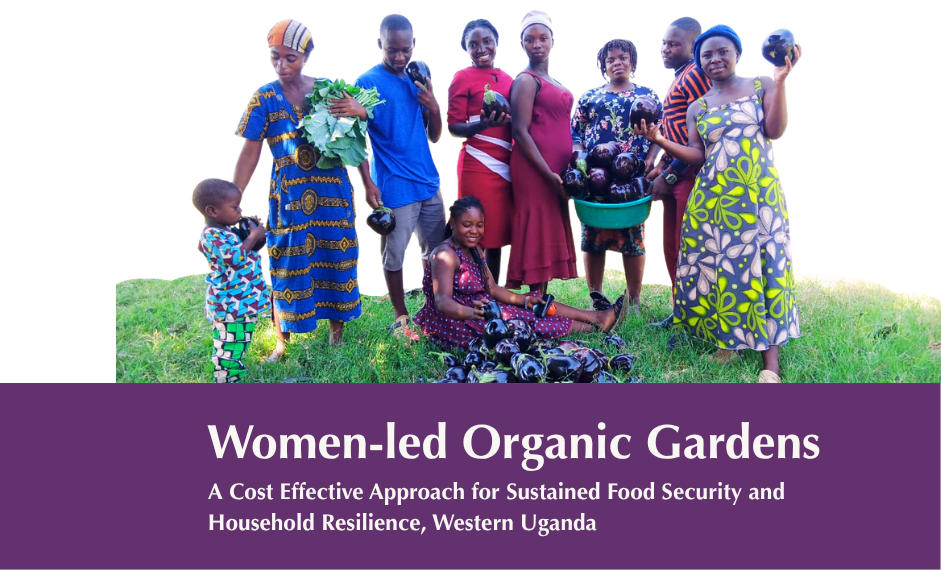
Your support can help women establish and sustain organic gardens that improve household nutrition, generate income and build resilience to climate change. Together, we can help more women turn small gardens into pathways toward greater self-reliance and stronger families.
About NAWAD
NAWAD is committed to promoting a stable and peaceful society where women and girls enjoy equal rights with men and boys in the different spheres of life.

Navigation
Navigation
Contact
+256-707274993
+256-760260097
Toll- free: 0800-365-365
nawad@nawad.co.ug
P.O BOX 106555, Kampala-Uganda
Plot 3378; block 223, Kyaliwajjala.
Copyright © NAWAD All Right Reserved